
Common Mistakes to Avoid When Using Stretch Film
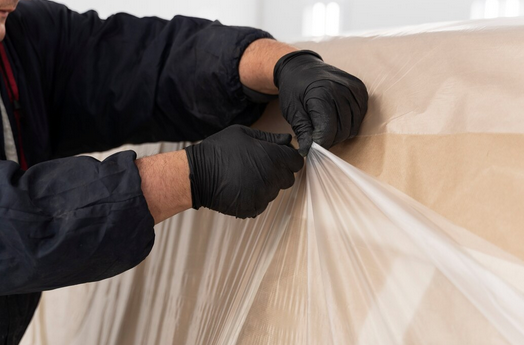
Stretch film is one of the most reliable packaging materials for securing goods during storage and transit. Its durability, flexibility, and cost-effectiveness make it a top choice for businesses that want to protect products from damage, dust, or shifting. However, despite its simplicity, many people misuse stretch film in ways that reduce its effectiveness and increase costs. Recognizing these mistakes is essential to making the most of this versatile material and ensuring that shipments arrive safely.
Using the Wrong Type of Stretch Film

One of the most frequent mistakes is using the wrong type of stretch film for the job. Stretch film comes in different varieties, such as cast, blown, machine, or hand wrap, each designed for specific purposes. Using a light film on heavy or irregular loads can result in tears, while overinvesting in thick film for lightweight goods adds unnecessary expense. Choosing the right film based on load weight, stability, and handling method is the first step to success.
Overstretching or Understretching
The way stretch film is applied greatly affects its performance. Overstretching weakens the film, making it prone to tearing and failing to secure the load. On the other hand, understretching wastes material and fails to provide enough tension to hold products tightly in place. Achieving the correct level of stretch ensures maximum protection and reduces costs by minimizing waste.
Ignoring Load Preparation
Another mistake is wrapping products without properly preparing the load. Pallets that are unevenly stacked, too tall, or unbalanced are difficult to secure, even with quality stretch film. Failing to square the load increases the risk of shifting or toppling during transportation. Proper preparation, including balancing weight and aligning items neatly, ensures the stretch film can do its job effectively.
Improper Wrapping Techniques

Using the wrong wrapping technique is a common problem, especially when done manually. Skipping the base of the pallet, applying too few layers, or wrapping too loosely can compromise the entire load. Similarly, applying film too tightly at the corners can cause damage to the packaging or the products themselves. Consistent wrapping from the pallet base upwards with even tension ensures the load stays secure.
Overusing Stretch Film
Many businesses make the mistake of using more stretch film than necessary, assuming extra layers equal better security. In reality, excessive wrapping leads to waste and higher costs without significantly improving stability. Proper training on efficient wrapping methods can help reduce film usage while still maintaining product protection.
Stretch film is a simple yet powerful packaging tool, but common mistakes like using the wrong type, applying improper tension, neglecting load preparation, or overusing material can reduce its effectiveness. By selecting the right film, preparing loads correctly, and applying the right wrapping techniques, businesses can save on costs while ensuring goods remain secure during storage and transport. Avoiding these pitfalls allows stretch film to deliver its full benefits in packaging and logistics.…
