
How to Participate Safely in a Peaceful Protest
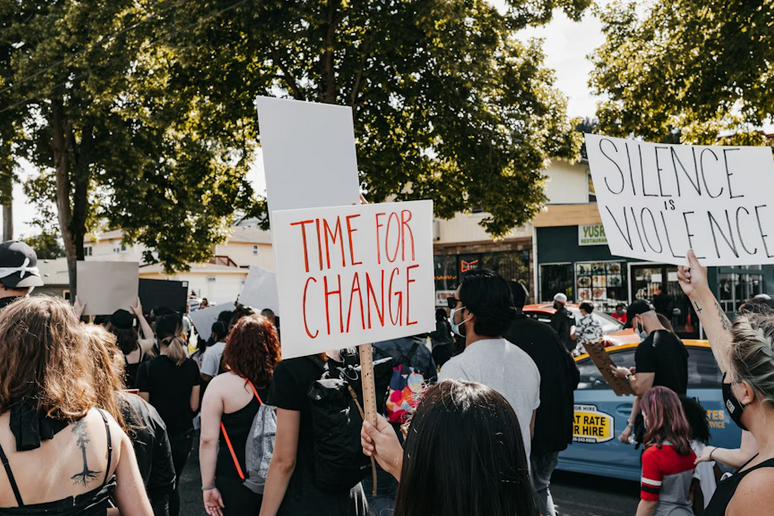
A peaceful protest often begins long before people gather in the streets—it starts with a decision to speak up, to stand alongside others, and to express concerns about issues that matter deeply. History shows that collective voices can influence change without violence, yet the experience of participating requires awareness and preparation. A single moment of confusion in a crowded environment can quickly become overwhelming if you are unprepared. That is why understanding how to stay safe is just as important as understanding the cause itself. Many people join demonstrations with strong intentions but little guidance on safety practices. This article breaks down practical steps that can help individuals participate responsibly while reducing personal risk and staying focused on the message they support.
Understand the Purpose and Plan Ahead
Before attending any demonstration, take time to understand what the protest is about and how it is being organized. Knowing the purpose helps you stay focused and avoid unnecessary confusion during the event. Check for verified information about the time, location, and expected crowd size. It is also helpful to know whether the gathering is expected to remain stationary or involve movement through city streets. Planning ahead allows you to mentally prepare and avoid last-minute uncertainty that could put you at risk.
Dress Appropriately and Travel Light
What you wear and carry can significantly affect your comfort and safety. Choose clothing that allows easy movement and is suitable for weather conditions. Comfortable shoes are important, especially if you expect to walk long distances or stand for extended periods. Carry only essential items such as identification, a small amount of cash, and a charged phone. Avoid bringing unnecessary valuables. A lighter load helps you move quickly if needed and reduces the risk of losing important items in crowded areas.
Stay Aware of Your Surroundings

Situational awareness is one of the most important aspects of safety. Pay attention to crowd movement, exits, and changes in atmosphere. If tension rises or the environment becomes uncomfortable, be ready to step away calmly. Avoid focusing solely on your phone or distractions. Instead, periodically scan your surroundings to understand how the crowd is behaving. This habit can help you respond quickly if conditions change unexpectedly.
Go with a Group and Stay Connected
Attending with friends or a trusted group adds an extra layer of safety. Agree on a meeting point in case you get separated. It is also helpful to establish communication methods beforehand in case mobile networks become unreliable due to large crowds. If you are attending alone, let someone you trust know your location and expected return time. Staying connected increases your overall safety and provides reassurance for both you and those at home.
Avoid Confrontation and Stay Calm

Peaceful protests rely heavily on nonviolent participation. Avoid engaging in arguments or confrontations, even if others attempt to provoke reactions. Staying calm helps maintain your safety and supports the overall peaceful nature of the gathering. If tensions rise nearby, move away rather than engaging. Emotional reactions in crowded settings can escalate situations quickly, so maintaining a composed mindset is essential for personal protection.
Know When to Leave
One of the most overlooked safety practices is knowing when to exit. If you feel unsafe, notice increasing crowd pressure, or sense escalating tension, it is perfectly acceptable to leave early. There is no obligation to stay until the end. Prioritizing your safety does not reduce your commitment to the cause. In fact, making wise exit decisions helps prevent unnecessary risks.
Participating in a peaceful protest requires both awareness and preparation. Understanding the purpose, dressing appropriately, staying alert, moving with trusted companions, maintaining calm behavior, and knowing when to leave all contribute to a safer experience. By applying these practices, individuals can take part in meaningful civic expression while reducing personal risk and supporting a peaceful environment for everyone involved.…
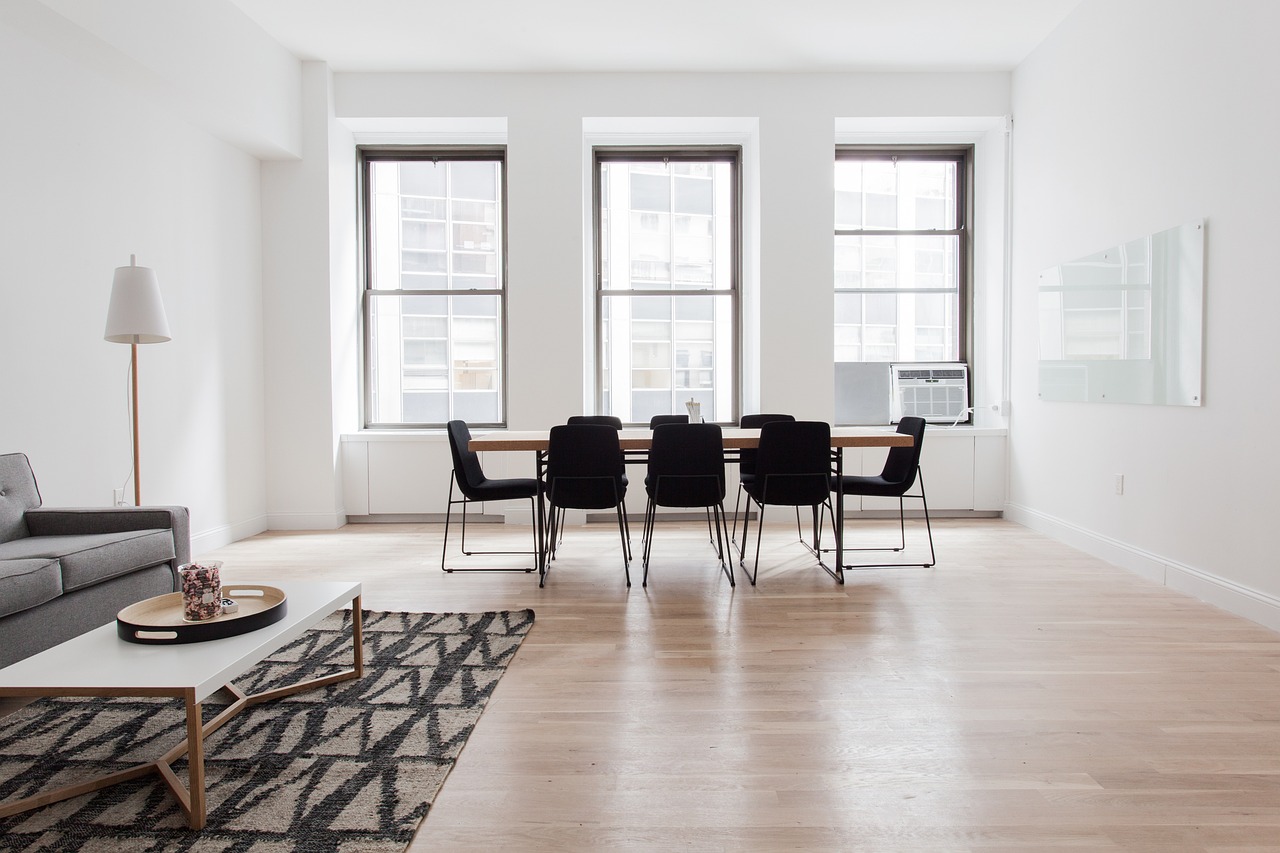
 Understanding your lifestyle and how each room in your house is used is a fundamental consideration when selecting flooring. High-traffic areas, such as entryways and living rooms, may require more durable flooring options that can withstand daily wear and tear. On the other hand, bedrooms and areas with less foot traffic may allow for more delicate and comfortable flooring choices. Consider the activities that take place in each room, the presence of pets or children, and the potential for spills or accidents. This insight will guide you toward flooring options that align with your specific lifestyle and usage patterns.
 The aesthetics of your flooring
 One of the best ways to start teaching your kids about money is by using physical currency. It can help them understand the value of each bill and coin. You can also use this opportunity to explain how to count money and make change. Let them handle the money as much as possible to get a feel for it. Once they have a good understanding of physical currency, they can move on to more abstract concepts, like banking and investing.
 An important concept for kids to understand is opportunity cost. This is the idea that when you spend money on one thing, you’re giving up the chance to spend it on something else. For example, if they want a new toy, explain that they’ll have to save up for it and can’t buy anything else until they have enough money. Whether they’re making a purchase or deciding to save, opportunity cost is always something they should keep in mind.